
6 Maintenance Tips to Get the Lawn of Your Dreams
Discover the essential maintenance tips that will help you achieve the lush, green lawn of your dreams. Whether you're starting from scratch or revitalizing an existing yard, these expert-backed tips are your guide to a healthier, more vibrant lawn. Cultivating a beautiful lawn requires a balanced approach combining knowledge, consistency, and the right techniques. Each aspect, from the soil beneath to the maintenance on top, plays a pivotal role in your lawn's health and aesthetics. Many homeowners choose to partner with lawn care companies to stay on track, but understanding the fundamentals allows you to make smarter decisions no matter how you maintain your yard.
1. Understanding Your Lawn's Soil
Before any other planning begins, understanding your soil's composition is vital. Soil testing unveils nutrient deficiencies, pH levels, and the soil's texture, giving you a clear picture of what your grass needs. This knowledge allows you to apply the necessary amendments to create the perfect growing environment. Testing can be done through kits at home or by sending samples to a lab, ensuring precision in the results. Ultimately, a soil test is your starting point, a map guiding you toward specific, actionable steps for soil improvement.
Once you’ve obtained your soil test results, the next step involves improving the soil quality. Adding organic matter like compost can significantly boost soil fertility and structure while improving moisture retention. Gypsum can help alleviate compaction, and lime can adjust soil pH to the ideal level for grass growth. These amendments contribute to the retention of moisture and nutrients, creating a thriving environment for grass roots. Regular soil improvement keeps turf resilient and promotes consistent growth that rivals the results seen from professional lawn care companies.
A balanced pH is crucial for nutrient availability and effective grass growth. Most grasses prefer a pH range of 6.0 to 7.0, which allows roots to absorb what they need. If the soil is too acidic or alkaline, nutrients become locked up and grass development slows. Applying lime or sulfur can correct imbalances when guided by soil test results. Periodic testing ensures that conditions stay within the optimal range for long-term lawn health.
2. Mowing Techniques for a Healthy Lawn
Mowing height significantly impacts lawn health by affecting grass vigor and weed presence. Most grasses thrive with cutting heights around two and a half to three inches, as longer blades foster deeper roots and shade out weeds. Adjusting your mower depending on the grass type and weather conditions prevents unnecessary stress. Never remove more than one-third of the blade length in a single mowing session. These simple adjustments make a noticeable difference in color, density, and overall turf resilience.
Sharp mower blades are equally important because they create clean cuts that heal quickly. Dull blades tear grass, leaving jagged edges that invite disease and moisture loss. Regular sharpening improves not only lawn appearance but also the efficiency and longevity of your mower. Clean cuts translate into healthier grass blades that reflect sunlight more evenly, giving your lawn that uniform, polished look.
Mowing frequency depends on how fast your grass is growing, which changes with the seasons. Weekly mowing is typical during peak growth, while slower periods may only require biweekly trimming. Avoid cutting during extreme heat or drought, as stressed grass is more vulnerable to damage. Consistency keeps turf looking tidy and helps prevent weeds from establishing, a strategy used by many lawn care companies to maintain uniform landscapes.
3. Watering Strategies for Optimal Growth
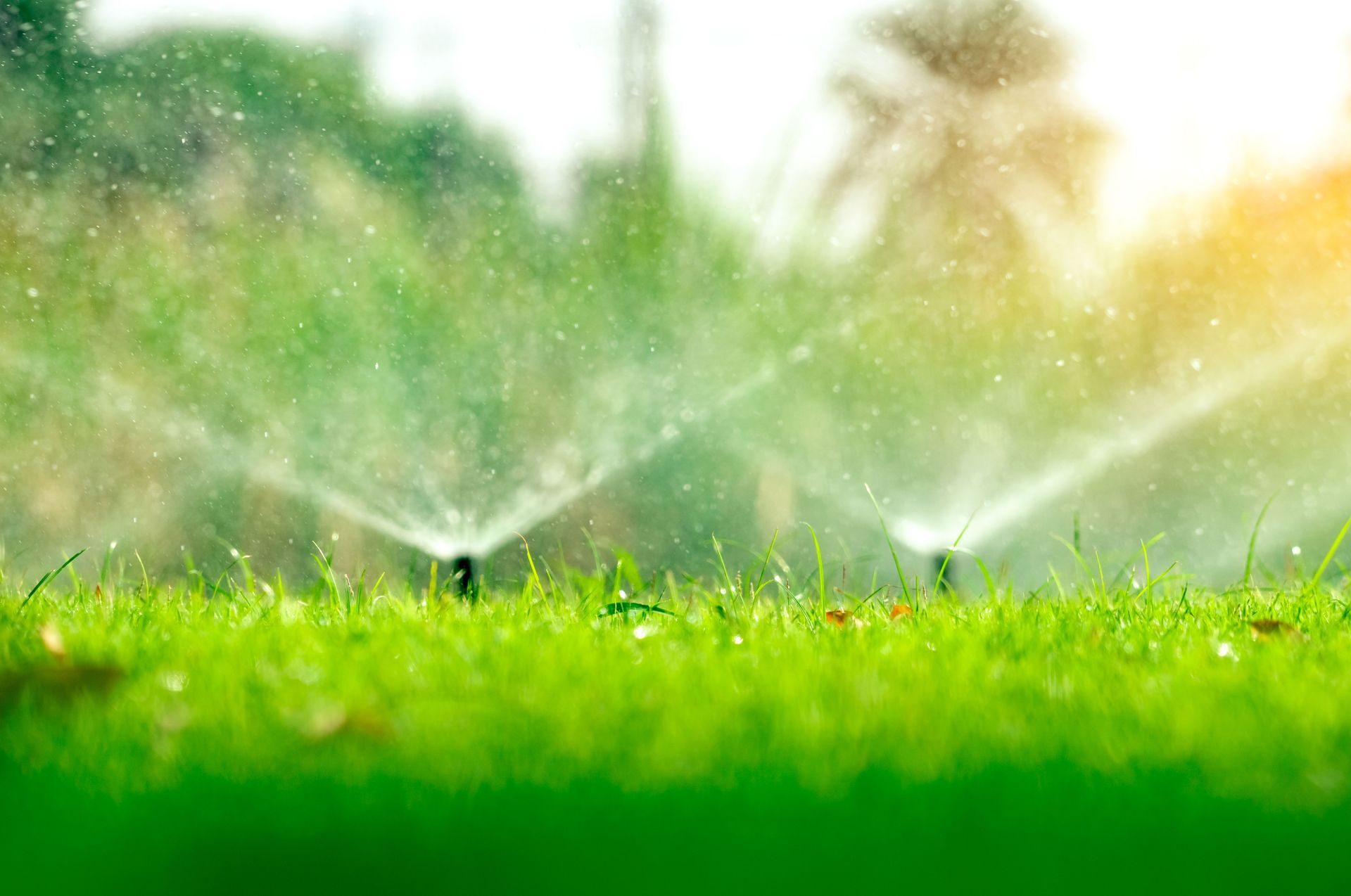
Timing and frequency of watering are critical to strong root development. Early morning is ideal because it reduces evaporation and minimizes fungal growth. According to This Old House, watering between 4 a.m. and 6 a.m. maximizes efficiency and allows moisture to soak deeply into the soil. Most lawns need about one to one and a half inches of water per week, delivered in two or three deep sessions. This approach encourages roots to grow downward, increasing drought resistance.
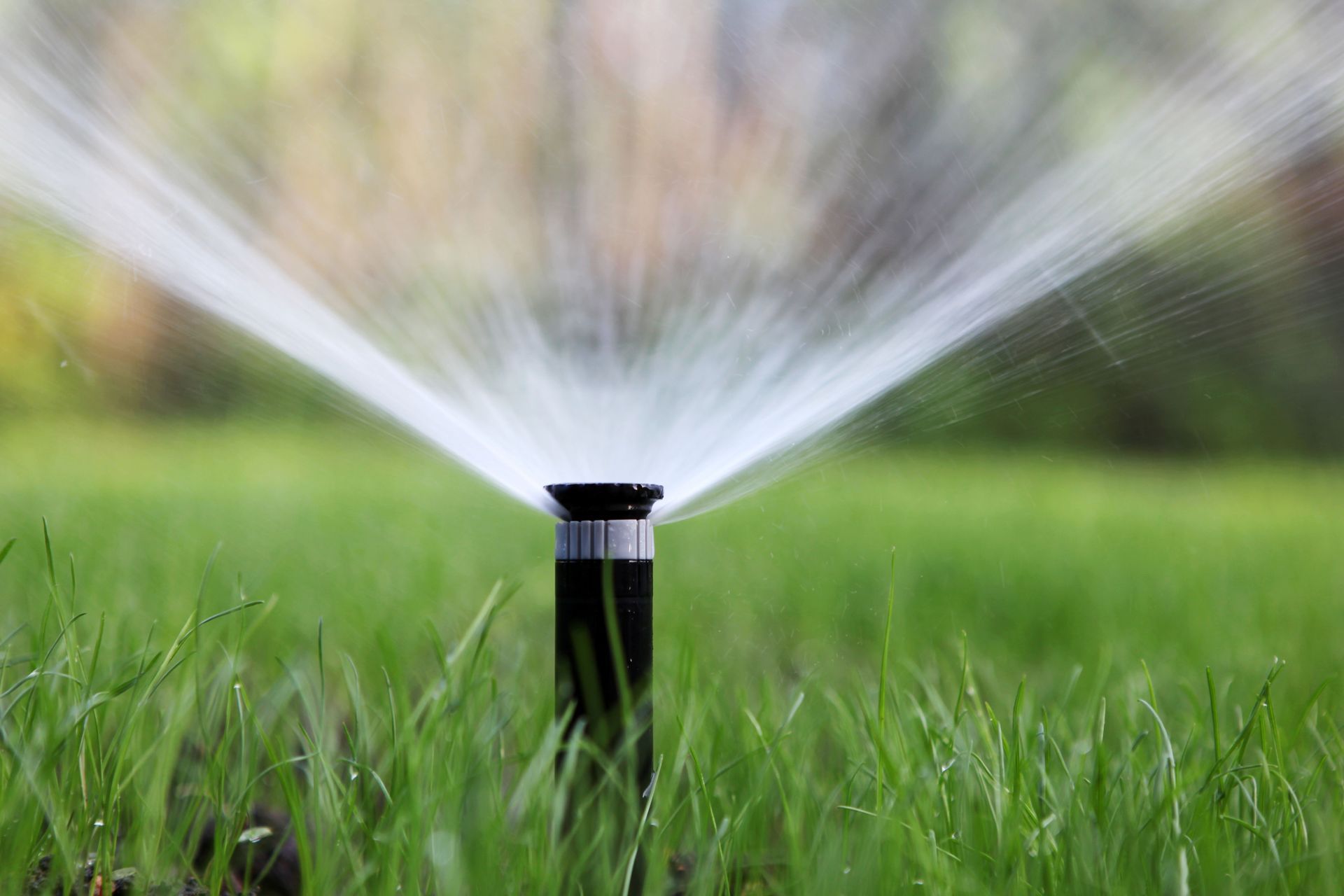
Efficient watering systems help conserve water while keeping grass healthy. In-ground sprinklers and drip irrigation systems provide controlled, targeted delivery that prevents runoff and waste. Modern systems with weather sensors can automatically adjust schedules based on rainfall and temperature. These technologies support sustainability while maintaining lush turf, a balance that professional lawn care companies strive to achieve.
Overwatering can lead to compaction and root rot, while underwatering causes wilting and discoloration. Monitoring soil moisture and observing how grass responds helps you fine-tune your routine. Aeration and proper drainage further improve water movement through the soil. A balanced irrigation plan keeps grass hydrated without creating harmful conditions beneath the surface.
4. Combatting Weeds and Pests
Weed control starts with accurate identification of common invaders like dandelions, crabgrass, and clover. These plants thrive in thin or stressed turf, quickly spreading if ignored. Weeds compete for light, water, and nutrients, weakening your grass. Regular inspections allow you to address problems early, before they take over large sections of your yard.
Effective weed management combines chemical and non-chemical methods. Selective herbicides target weeds without harming grass, while manual removal offers precision in smaller areas. Cultural practices such as overseeding and proper fertilization naturally suppress unwanted growth. A thick, healthy lawn is the best defense against weeds, which is why lawn care companies emphasize preventive strategies.
Pests like grubs, chinch bugs, and armyworms damage turf by feeding on roots and blades. Brown patches, thinning grass, and increased animal activity often signal an infestation. Organic options such as beneficial nematodes and natural predators help manage pests without harming the environment. Maintaining balanced soil and proper watering also reduces the likelihood of severe outbreaks.
5. Aeration and Overseeding
Aeration relieves soil compaction and improves access to air, water, and nutrients. By creating small holes in the ground, roots can breathe and grow more freely. This process leads to stronger, deeper root systems and greater tolerance to heat and drought. Aeration is especially beneficial for high-traffic areas that become compacted over time.
Combining aeration with overseeding enhances lawn density and fills bare spots. Seeds fall into the aeration holes, making better contact with soil and increasing germination rates. This practice results in a thicker, more uniform lawn that recovers quickly from damage. Many lawn care companies pair these services because of their complementary benefits.
6. Seasonal Maintenance and Planning
Each season presents unique challenges that require adjustments to your routine. Spring focuses on cleanup, fertilization, and gentle mowing to encourage new growth. Summer demands careful watering and higher mowing heights to reduce heat stress. Fall is ideal for aeration, overseeding, and strengthening roots before winter arrives. Winter preparation involves reducing debris and protecting turf from cold damage.
Creating a yearly lawn care schedule keeps tasks organized and timely. By planning fertilization, aeration, and watering in advance, you can stay ahead of potential problems. Digital reminders and weather tracking tools make it easier to adapt to changing conditions. A proactive approach leads to consistent results that match what you would expect from dedicated lawn care companies.
By implementing these maintenance tips, you can take the stress out of caring for your yard and enjoy a beautiful, thriving landscape year-round. Understanding soil health, mowing properly, and watering efficiently create the foundation for success. Adding aeration, overseeding, and thoughtful seasonal planning further strengthens your turf. Whether you handle everything yourself or rely on a lawn care company, consistency and informed decisions will always lead to a greener, healthier lawn that adds lasting value to your home. Contact our team at Clean Cut Lawn Care today to get connected to our lawn care services.




Share On: